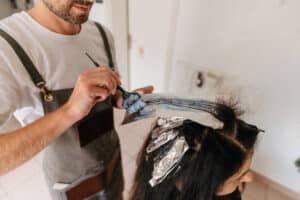
Blenching hair has become a popular trend, as it boosts its beauty, making it seem livelier and more lively. Yet, the perfect shade of blonde, or even the platinum one, costs a lot. The bleaching process removes all the moisture and oily layer of your hair, leaving your hair head vulnerable to extreme damage. You need to know how to take care of bleached hair to keep it healthy and your color to last as long as possible.
Understanding the Impact of Bleaching
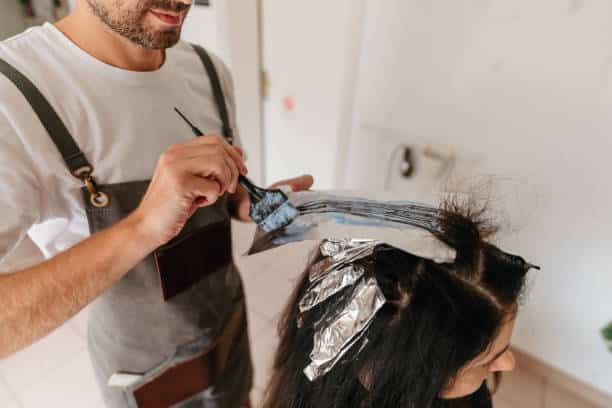
To better appreciate what how to take care of bleached hair is all about, let us know what happens to the hair strands during Bleaching. Applying powerful agents, particularly hydrogen peroxide and ammonia, causes natural colors in your hair to fade. This process helps remove the outer layer of the hair, the cuticle, so the bleach can get to the hair shaft and remove color. Although this makes you achieve that beautiful blonde color, it makes your hair more absorbent, dry, and brittle.
Moisture is Key
As should be expected, one effective way of significantly improving the appearance of how to take care of bleached hair is through proper moisturizing. Your hair loses its natural oils during the bleaching process, so one of the ways you can manage your hair is by deep conditioning it occasionally. In purchasing suitable conditioners and hair masks, one should focus on products with labels indicating that they are apt for dry or damaged hair use. They are mostly formulated with elements such as keratin, argan oil, and shea butter, among others, all of which have the potential to hydrate and strengthen human hair.
However, other treatments that can be used are leave-in products or hair oil, which can also be used each time you do your hair. Such products can act as sealants that lock humidity out and provide your hair with a shield from harsh factors. I want to remind you that moisture is the best friend of bleached hair.
Gentle Handling is Essential
Hair that has been bleached is not as strong as hair that is naturally processed, which makes it very sensitive. This means hold your hair gently during wash, clearing, and styling. It is also optional that you use a sulfate-free clean to cut the sum of sebum making in your hair. While wash your hair, go for cool water since hot water bands the hair of its usual damp.
Do not clearly clean your hair with the towel when you have drank it. It is, so, wise to first drain the hair’s excess water by simply rolling it amid your palms and then hitting it dry. Pat your hair dry with a micro fiber towel or an old T-shirt since the feel of the micro fiber towel and T-shirt does not create curl.
When it comes to brushing, use a wide-tooth comb or a brush, especially for detangling. Using your digits, begin at the tips of the hair and glide all the way up to the scalp without using too much burden on the hair. This is active in worship rifts, mainly with split ends, which are akin with faded hair.
Minimize Heat Styling
Using tools that affect the hair, such as flat irons, curling irons, and blow dryers, worsens bleached hair. If you need heat-styling tools, don’t forget to apply a heat protection spray. This spray creates a layer between your hair and the heat, minimizing the chances of heat damage.
Use little or no hair dryer each time, but give your hair a natural look, although this may not always be possible. If you do have to blow dry your hair, ensure that it is on a low heat setting and hold the dryer about six inches away from the hair. That way, your bleached hair stands a better chance of having a healthy life since you are not too much on heat.
Regular Trims for Healthy Hair
Another crucial piece of advice, and it is always saving money, is to trim the hair regularly. As you have highlighted, bleached hair usually comes with a problem of split ends, and therefore, you need to trim your hair every six to eight weeks if you want it to appear healthy and well taken care of. Trimming also encourages hair growth since it removes split ends from moving up the hair shaft and causing further damage.
Protecting Your Hair from the Sun and Chlorine
When the hair is faded, it feels a lot of damage, and the sun only types it worse by aeration the hair even more. If one is to be in the sun for quite some time, it is advised that one wears a hat or put a UV mask for hair. They may help keep your hair from the sun’s rays as well as help you to realm your color.
Chlorine, which dyes our hair blond when reeling in a reeling pool, is another factor that causes brittle hair. The tricky is that chlorine will remove the natural oils from your hair, possibly affect the color of your hair, and can even turn it green. Rinse the hair with clean water and use a leave-in conditioner when reeling. This will create a fence done which the hair will not absorb a lot of chlorine, as this may cause it to dry up. In exact, when you swim, recall to wash down your hair right with clean water and then treat it to a conditioner.
Avoid Over-Washing
To keep your hair clean, observe that the rate of washing may harm bleached hair by drying it further. If at all possible, you should wash your hair two to three times a week or less often to retain the damp of the hair, depending on the type of hair and the entity’s activities. In cases where you cannot wash your hair, you can spray some dry shampoo onto your hair to get rid of the oils that collect at the roots.
While coat your hair, never rub the ends; think on the scalp area. The shallow of the scalp is where oils and dirt tend to collect and build up, so there is a need to bush the head. The tips of your hair are finer, so they need much care, unlike the roots. If you are wash your hair, then let the clean go down the length of your hair without smearing it directly to the tips.
Choosing the Right Products
The choice of appropriate products is one of the functions considered to be the ones in how to take care of bleached hair. Choose sulfate-free hair products with qualifying terms such as color safe or damage repair. These products are normally more friendly, and they usually have constituents that work to recover and fortify your hair.
For anyone with bleached hair, investing in a purple shampoo becomes very important since it helps eliminate brassy or yellow hues that may develop as time passes. Depending on the situation, use it once a week to maintain the freshness of the blonde color.
You should also include a protein treatment in hair care, which should be done at least once a month. Protein can fortify your hair since it is weakened and porous after bleaching, and the treatments will fill the holes in the hair cuticles. But do not overdo it because a large amount of protein will give hair a stiff and brittle texture.
Embrace Low-Maintenance Styles
When it comes to how to take care of bleached hair, it might be wise to opt for simple hair looks that need to be styled a minimum number of times using accessories and/or an iron. Some of the hairstyles that are careful the best include braids, buns, and ponytails since they can be used to avoid more harm to the hair. In addition, these flairs are ideal when you don’t have the time or the energy to wash or style your hair.
Try employing hairstyling accessories such as bands, scarves, or clips to be a bit neater. These can foil your hairstyle and easily give it that glamorous look without using heat or many styling products.
Conclusion
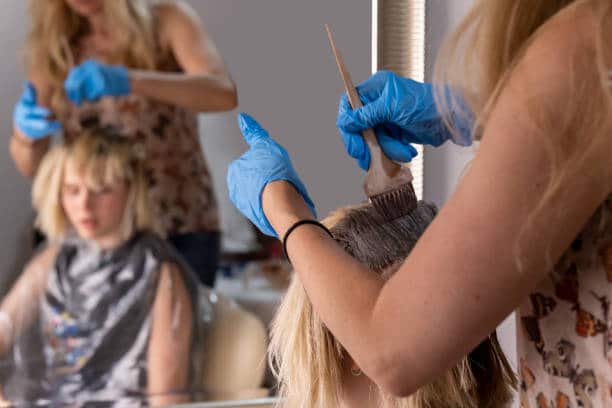
Relationships are important for your health and maintaining your color ‘Learning how to take care of bleached hair.’ Thus, one can enjoy blonde hair without making it brittle by taking care of the moisture, avoiding rough handling of the hair, avoiding heat appliances, and using apt hair care products. So, always bear in mind that having lovely faded hair is more about bustle and proper drill. If done right, there’s no aim you shouldn’t keep healthy, strong, and cute hair even with frequent tinting.
FAQs
Q1. What kind of shampoo is best for bleached hair?
Ans: If you have pale hair, it’s wise to use a sulfate-free clean, as these do not injury your hair, even as they clean it. Also, using even ‘purple shampoo’ once a week can assist in take away brassy or yellow tones so that your hair remains amazingly blonde.
Q2. How can I keep my bleached hair moisturized?
Ans: To do this, keep your hair moist with deep taming and hair masks often. Choose beers covering moisture-replenishing gears such as argan oil, keratin, and shea butter. Other actions include leave-in conditioners or hair oils to seal in the damp.
Q3. Can I use heat styling tools on bleached hair?
Ans: Heat styling should be eluded as much as likely for faded hair, but if you have to use flat irons, waving irons, or tongs, heat-protecting spray is advised. This forms a gap that reduces the possibility of vandals causing damage. Choose the lowest fever while setting your hair, and avoid using techniques requiring you to blow dry your hair.